How to Plan a Music Video Shoot – Tips for Artists
Your song is finished. You're proud of it. Now you need a music video that gives it a face, hooks new listeners, and makes sure people remember you. In today's visual-first world, a music video isn't just an add-on—it's often the deciding factor between a listener scrolling past or hitting "save."
Here's a practical guide to planning a music video shoot without losing your mind or your budget.
Your concept should answer these three questions:
What emotion am I trying to amplify?
Who is the audience for this video?
What will make someone watch this more than once?
1. Start with the Song and the Story
Before you think about cameras or locations, figure out what the video is actually about.
The first step is to tap into the emotional core of the song. What feeling drives it? What story does it tell? Your concept can be a visual metaphor for the song's meaning, a series of stylized setups where you lip-sync, or something completely abstract. The point is to give the song a visual identity.
Pro tip from indie artists: use Pinterest to build a mood board. Pin images of locations, lighting, outfits, and shots that match the vibe you want. It helps you solidify your vision before you start planning logistics.
2. Build a Storyboard and Shot List
Once you have a concept, create a storyboard—a visual map of each scene. This outlines the video's flow and key moments, so everyone on set knows what they're aiming for.
Then, from the storyboard, create a shot list. This is your checklist for the shoot. It details every shot you need (close-ups, wide shots, moving shots), what props are needed, and the camera angle. It keeps you organized and ensures you don't miss anything on the day.
Shot 2
- Song Section: Verse 1
- Shot Type: Close-up
- Duration: 30 sec
- Camera Angle: Eye level
- Camera Movement: Static
- Props/Set Details:
- Notes:
Sample shot list structure:
Shot 1
- Song Section: Intro
- Shot Type: Wide
- Duration: 10 sec
- Camera Angle: Eye level
- Camera Movement: Static
- Props/Set Details:
- Notes: 
3. Keep Your Budget Realistic
Don't let a tight budget kill your creativity. Great videos don't always need big money.
For beginners, a solid basic setup is:
A decent smartphone camera (or a DSLR) – modern iPhones and Androids shoot in 4K
A tripod for stable shots
One small LED light or a ring light
A portable speaker for playback during performance takes
A power bank to keep gear running
If you have a bit more to spend, invest in good lighting. It makes a huge difference in how professional your footage looks. Many pros also recommend using two cameras when you can, so you capture twice as much footage per take and have more editing options.
Make it your vision
〰️
Make it your vision 〰️

4. Plan Performance Takes Carefully
For a new artist, your video should feature you performing. Viewers need to connect a face to the voice.
Film at least three full performance takes:
One steady, wide shot from the front – this becomes your anchor shot
One closer shot for emotion and detail – capture the passion
One moving shot with someone holding the camera or on a gimbal – adds energy
Use the final master of your song on set. Play it out loud on a speaker so you can sing along in real time. This gives you much better mouth sync and a more natural performance than silent lip-syncing.
Performance tips:
Do vocal warm-ups before shooting
Stay hydrated – singing takes more energy than you think
Relax your face between takes to avoid looking tense
Watch playback after each take and adjust
5. Choose Locations with Character
Pick locations that already have the right vibe. A diner, a rooftop, a basketball court, a rehearsal room, or even a stairwell can work brilliantly when they match the song's mood.
For a first video, stick to one main performance location and one secondary location for extra detail shots. Pay attention to lighting: natural light from windows during late afternoon (the "golden hour") is free and looks great. Avoid harsh midday sun, and turn off ugly overhead lights indoors.
Location checklist:
Is it easily accessible for cast and crew?
Do we have permission to film there?
Is there power available for charging?
Is there shade or shelter for equipment?
Is it noisy (traffic, crowds, etc.)?
6. Edit to the Rhythm
In the edit suite, cut to the beat. The rhythm of the music should motivate your cuts. This makes the video feel more dynamic and connected to the track.
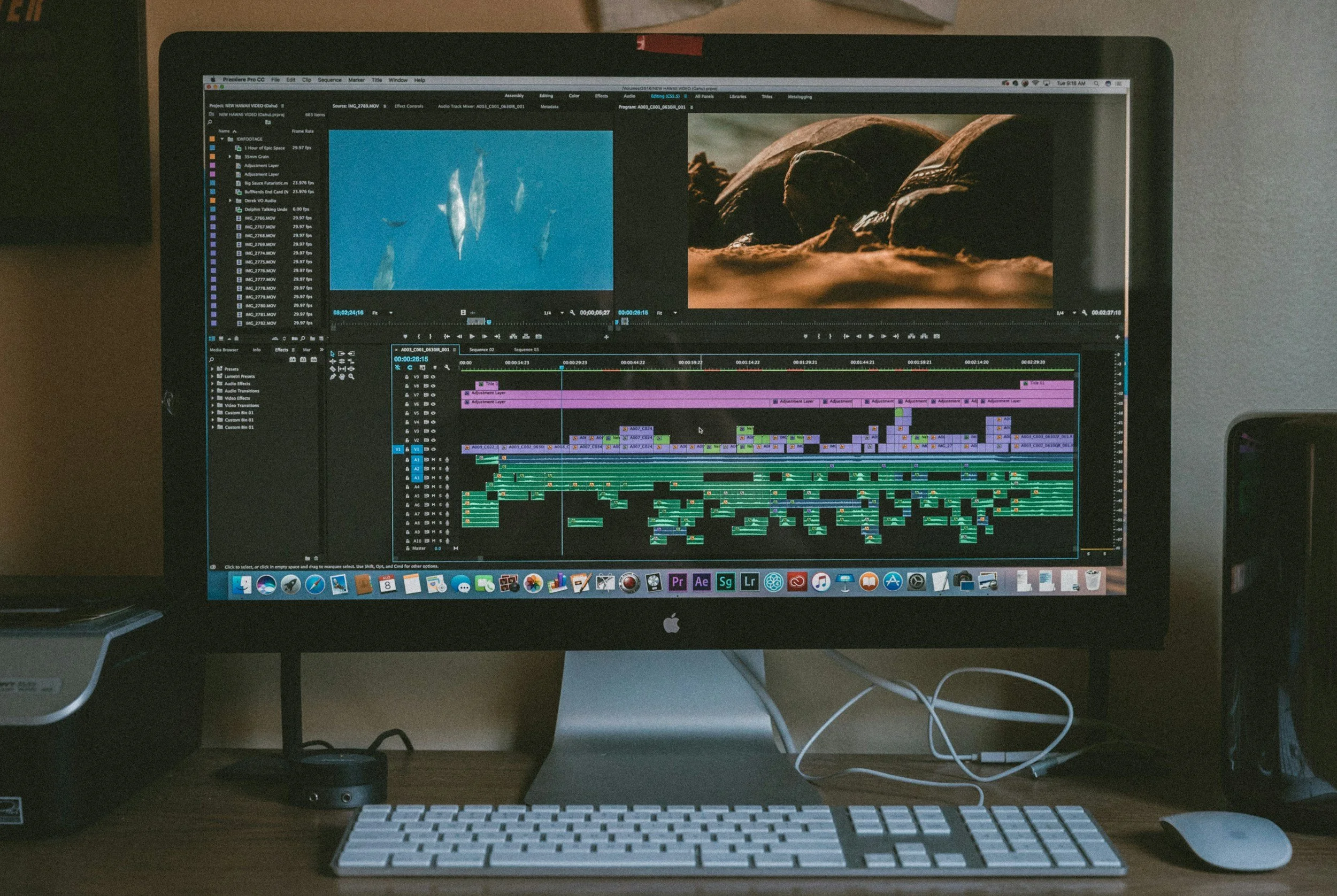
Editing workflow:
Start by laying down the full front-facing performance take under the whole song
Label and organize all your footage from the shoot
Add markers on the timeline at every beat drop and chorus change
Layer in the closer shots and detail clips over the strongest moments in the track
Apply color grading to give your video a consistent look
Add any effects that serve the song—keep it tasteful
Avoid these common editing mistakes:
Too many effects that distract from the performance
Cuts that don't align with the beat
Leaving bad takes in the final version
Forgetting to include the hook in a visually memorable way

The Production Checklist
Phase & Key Tasks
Pre-Production:Concept, mood board, storyboard, shot list, budget, book locations, assemble crew, rehearse
Production:Set up gear, film multiple full takes, get basic coverage, capture the "big shot," review playback with the artist, shoot B-roll
Post-Production:Sync audio and video, edit to the beat, add effects and color grading, get feedback, final export
Quick Tips for a Stress-Free Shoot
Finalize your visuals early:Have all promotional images, teasers, and social graphics ready before release day. It makes everything feel more polished.
Keep the crew small: You need the artist, one person filming, one person handling playback, and maybe one friend for props and clothes. Too many opinions slow things down.
Don't be afraid to reshoot: If a shot isn't working, keep doing it until it feels right. Saying "good enough" often comes back to haunt you in the edit.
Capture extra moments: Film details that relate to the song—hands deleting a message, walking alone, a crowd moving to the hook. These give the editor breathing room between performance clips.
Schedule intelligently: Get the most difficult shots done first when everyone is freshest. Save the simpler stuff for later in the day.

Looking for professional music video production in Florida?
Reach out to the team at S47 Film Productions. We'll handle the logistics so you can focus on the performance.
Final Thoughts
A music video is an investment in your brand as an artist. When done right, it can be the thing that turns a casual listener into a lifelong fan. Plan thoroughly, stay flexible on shoot day, and don't forget to enjoy the process.
Remember: the best music videos come from artists who believed in their vision and worked with people who believed in it too.
